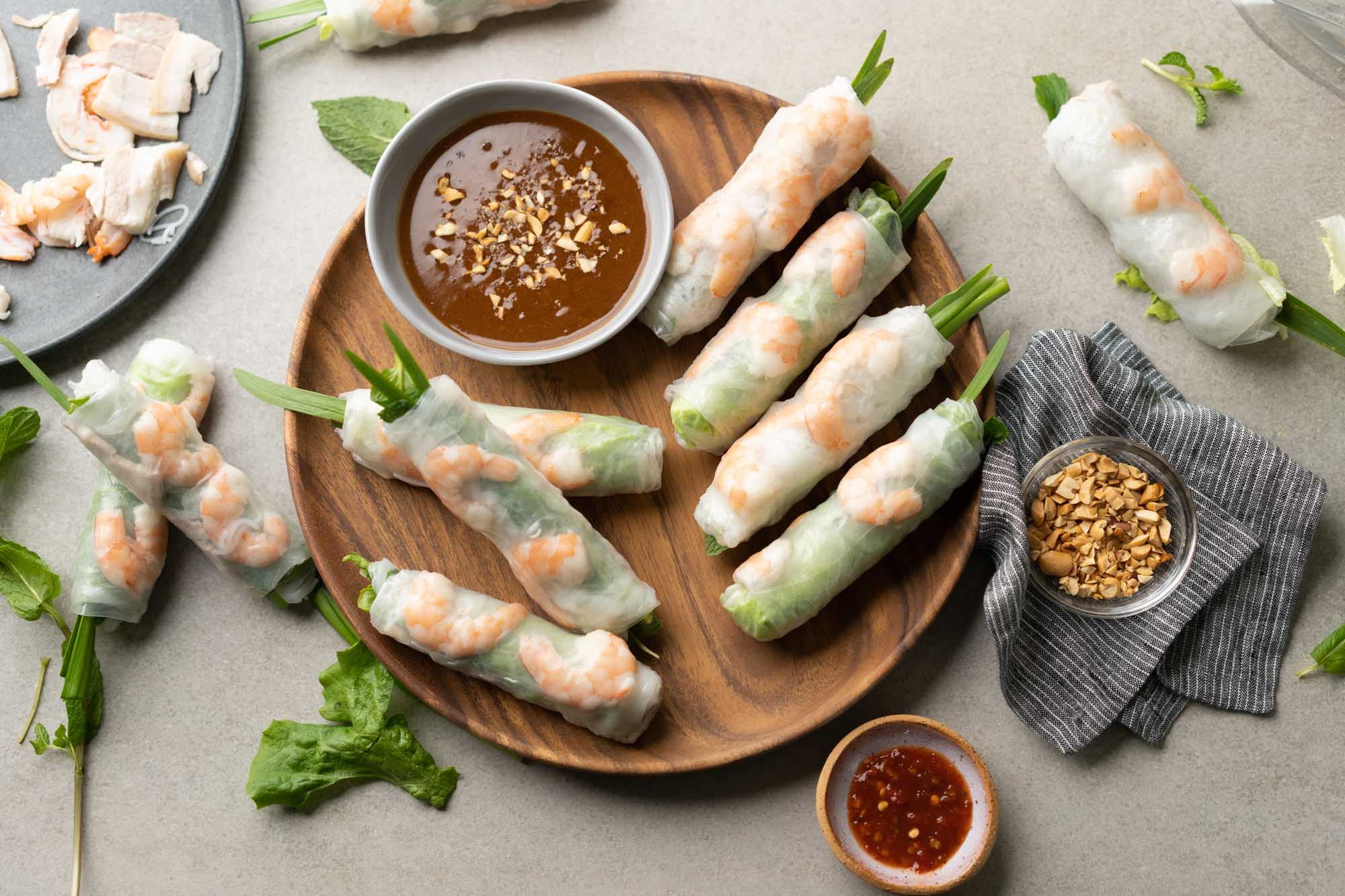
Goi Cuon Vietnamese Spring Rolls: An Introduction to Freshness and Flavor
In the vibrant tapestry of Vietnamese cuisine, few dishes capture the essence of light, healthy, and incredibly flavorful eating quite like goi cuon Vietnamese spring rolls. Often referred to simply as "summer rolls" in English-speaking countries, these translucent, fresh rolls are a stark contrast to their fried counterparts. They embody a perfect harmony of textures and tastes, making them a beloved appetizer, a refreshing snack, or even a light meal for millions worldwide. This article delves into the heart of goi cuon, exploring what makes them so captivating, the essential ingredients, and how you can master the art of rolling your own.
Far beyond just a dish, goi cuon Vietnamese spring rolls represent a culinary philosophy rooted in fresh, natural ingredients and a balance of flavors. Unlike the crispy, often greasy fried spring rolls, goi cuon are never cooked after assembly. Instead, the magic lies in the raw, vibrant components bundled together in delicate rice paper wrappers, offering a truly refreshing and guilt-free gastronomic experience.
What Makes Goi Cuon So Irresistible? The Anatomy of a Perfect Roll
The allure of goi cuon Vietnamese spring rolls stems from their elegant simplicity and the thoughtful combination of their core components. Each roll is a miniature symphony, designed to deliver a burst of freshness with every bite.
- The Wrapper: The delicate, translucent rice paper (bánh tráng) is the canvas. Made from rice flour, tapioca flour, water, and salt, it becomes pliable when briefly moistened, allowing it to hug the ingredients snugly without imparting much flavor of its own, letting the filling shine.
- The Protein: Traditionally, goi cuon features a combination of boiled pork belly slices and succulent shrimp. The pork adds a savory richness and tender bite, while the shrimp offers a sweet, ocean-fresh taste and a delightful snap. Vegetarian versions often use tofu or mushrooms, maintaining the essential texture.
- The Vermicelli Noodles: Fine rice vermicelli (bún) provides a crucial textural element and substance, making the rolls more filling. Its mild flavor ensures it doesn't overpower the other ingredients.
- The Herbs & Vegetables: This is where the freshness truly comes alive. A medley of crisp lettuce leaves, aromatic mint, pungent cilantro, crunchy cucumber, and earthy bean sprouts contributes vital vitamins, color, and a fragrant, herbaceous counterpoint to the richer ingredients.
- The Dipping Sauce: While not *inside* the roll, the dipping sauce is arguably the most critical component that completes the goi cuon Vietnamese spring roll experience. Whether it's the classic nuoc cham (a sweet, sour, salty, and spicy fish sauce-based dip) or a rich, creamy hoisin-peanut sauce, the sauce provides that final layer of flavor complexity that elevates each bite.
The beauty lies in the contrast: the yielding rice paper, the chew of the pork, the pop of the shrimp, the softness of the noodles, and the crisp bite of the fresh vegetables. It's a balanced, nutritious, and incredibly satisfying dish that keeps you coming back for more.
The Essential Ingredients for Authentic Goi Cuon
Creating authentic goi cuon Vietnamese spring rolls starts with selecting high-quality, fresh ingredients. Here’s a detailed look at what you’ll need and tips for preparation:
Mastering Your Proteins: Pork and Shrimp Perfection
- Pork: Choose pork shoulder or belly. Boil it until fully cooked but still tender, then slice it thinly against the grain. Blanching the pork in boiling water first and discarding the water, then re-boiling in fresh water with a pinch of salt, can improve clarity and flavor.
- Shrimp: Fresh, medium-sized shrimp are ideal. Peel, devein, and then quickly boil them until just pink and curled. Halve them lengthwise for easier rolling and better presentation, especially if they are larger.
- Tofu (Vegetarian Option): For a plant-based alternative, firm or extra-firm tofu works wonderfully. Press it to remove excess water, then slice into thin strips and pan-fry or bake until lightly golden for added texture and flavor.
Rice Paper and Vermicelli: The Foundations
- Rice Paper Wrappers (Bánh Tráng): Look for brands specifically labeled for fresh spring rolls. They come in various sizes; a medium size (around 8.5 inches) is generally easiest for beginners. Avoid those that are too thick or too thin, as they can be difficult to handle.
- Rice Vermicelli Noodles (Bún): Fine vermicelli is best. Cook according to package instructions (usually a quick soak in hot water or a brief boil), then drain thoroughly and rinse with cold water to prevent sticking.
The Verdant Heart: Fresh Herbs and Vegetables
The fresher, the better for these components:
- Lettuce: Leaf lettuce varieties like red or green leaf, or even butter lettuce, work well. Wash and dry thoroughly.
- Herbs: Fresh mint and cilantro are essential for their aromatic qualities. Thai basil is also a popular addition.
- Cucumber: Peel and julienne into thin sticks.
- Bean Sprouts: Fresh, crisp bean sprouts add a lovely crunch.
Crafting the Perfect Dipping Sauce
While the focus here is on the roll itself, no discussion of goi cuon Vietnamese spring rolls is complete without mentioning the dipping sauce. Typically, you'll find two main types:
- Nuoc Cham: A classic Vietnamese dipping sauce, typically made with fish sauce, lime juice, sugar, water, garlic, and chili. It offers a perfect balance of sweet, sour, salty, and spicy.
- Hoisin-Peanut Sauce: A richer, thicker sauce made with hoisin, peanut butter, and sometimes a touch of chili paste or sriracha. This sauce is particularly popular with shrimp and pork spring rolls.
For more intricate details on crafting the perfect dipping sauces and ensuring they complement your rolls, check out goi cuon vietnamese spring rolls - Article 2.
A Step-by-Step Guide to Rolling Perfect Goi Cuon
The art of rolling goi cuon Vietnamese spring rolls is easier than it looks, requiring a bit of practice but rewarding you with beautifully presented and delicious results. Here's a simple guide:
- Prepare Your Workspace: Arrange all your cooked and chopped ingredients on a clean surface or large platter. Have a shallow dish of warm water ready for moistening the rice paper.
- Moisten the Rice Paper: Dip one rice paper wrapper into the warm water for about 15-20 seconds, or until it's pliable but not overly soft or sticky. Lay it flat on your clean work surface. It will continue to soften as you add ingredients.
- Layer the Ingredients: Start by placing a leaf of lettuce near the bottom edge of the rice paper. On top of the lettuce, arrange a small handful of vermicelli noodles, followed by cucumber sticks, bean sprouts, and a few sprigs of mint and cilantro.
- Add Protein: About two-thirds of the way up the wrapper (closer to the top edge), place a few slices of pork and 2-3 shrimp halves, cut side up, to ensure they show through the finished roll.
- Fold and Roll:
- Carefully fold the bottom edge of the rice paper over the ingredients, tucking it in tightly.
- Fold in the left and right sides of the wrapper towards the center.
- Now, roll the entire package tightly from the bottom upwards, creating a firm, cylindrical roll. Ensure it's tight enough to hold its shape but not so tight that it bursts.
- Repeat: Continue with the remaining ingredients until all your rolls are complete. Place them seam-side down on a platter.
Pro Tip: Don't overcrowd your rolls. A common mistake for beginners is to put too much filling, making them hard to roll and prone to tearing. Start with less, and you can always add more as you gain confidence.
Serving Suggestions and Enjoying Your Goi Cuon
Once you've mastered the art of rolling, serving and enjoying your homemade goi cuon Vietnamese spring rolls is the final, delightful step. These rolls are best enjoyed fresh, immediately after they are made, as the rice paper can dry out or become overly sticky if left sitting for too long.
Serve them on a large platter, perhaps garnished with extra herbs, alongside small bowls of both nuoc cham and hoisin-peanut dipping sauces, allowing everyone to choose their favorite. Goi cuon are wonderfully versatile; they can be a light and healthy appetizer before a heavier meal, a refreshing snack on a hot day, or even a main course when paired with a hearty soup or salad.
They are perfect for communal dining, where friends and family can gather around, dip, and share. The act of sharing these fresh rolls often sparks conversation and fosters connection, making them more than just food – they're an experience.
If you're looking for creative twists on this classic, such as variations with grilled meat, fish, or even fruit, read goi cuon vietnamese spring rolls - Article 3 for exciting new recipes and ideas.
Conclusion
Goi cuon Vietnamese spring rolls are a testament to the beauty of fresh, simple ingredients coming together to create something truly extraordinary. Their delicate balance of flavors, satisfying textures, and undeniable health benefits have cemented their place as a culinary icon. From the translucent rice paper to the vibrant medley of herbs, vegetables, and succulent proteins, each roll offers a refreshing journey for the palate. We hope this comprehensive guide inspires you to try making these delightful spring rolls at home, bringing a taste of authentic Vietnamese freshness to your kitchen. Enjoy the process, savor the flavors, and share the joy of these incredible fresh spring rolls!
