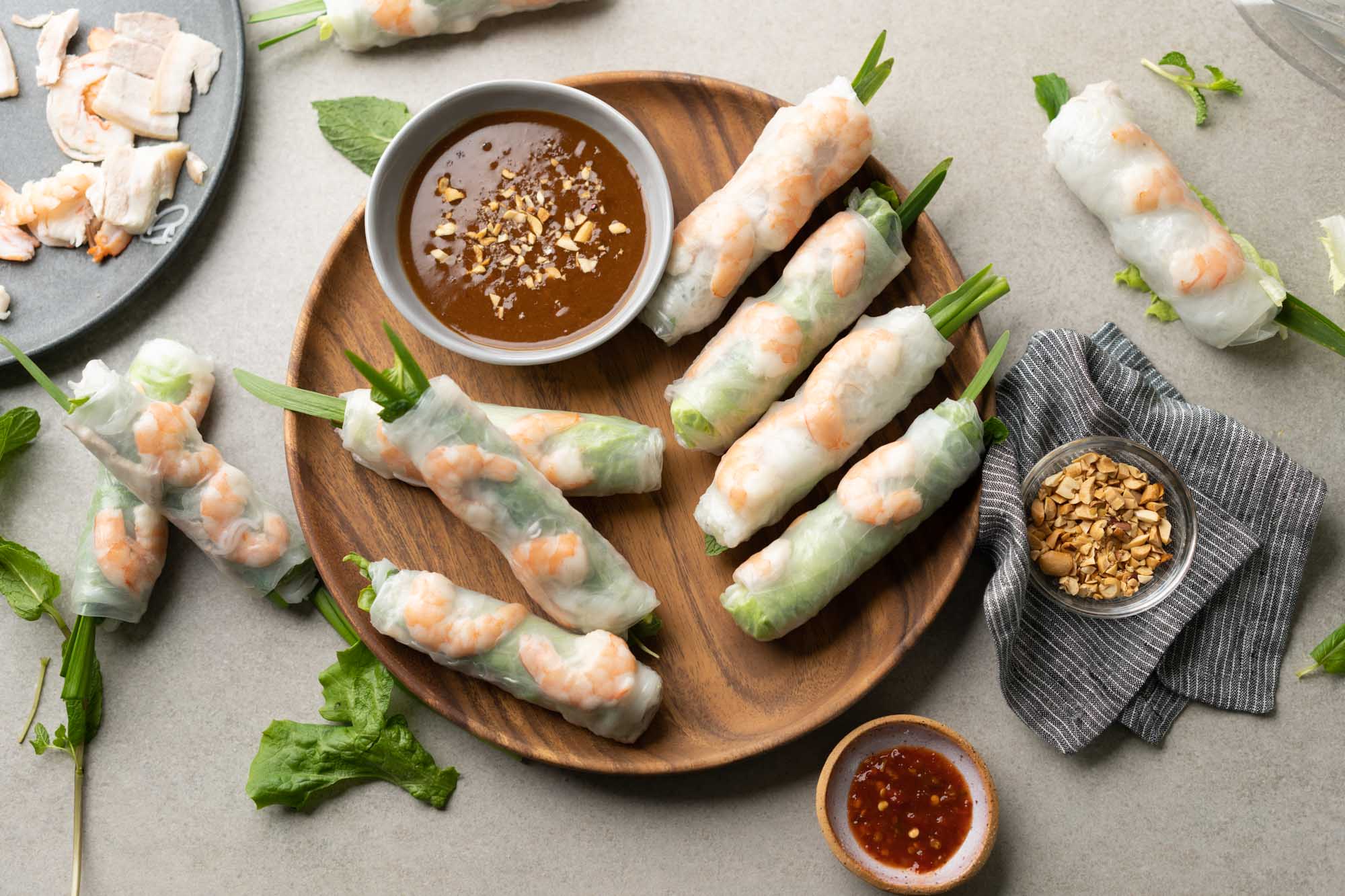
Beyond the Basics: Mastering the Art of Goi Cuon Vietnamese Spring Rolls
The delicate, vibrant, and utterly refreshing goi cuon Vietnamese spring rolls have captivated palates worldwide, cementing their status as a beloved staple of Vietnamese cuisine. More than just a simple appetizer, these fresh summer rolls represent a perfect harmony of flavors, textures, and health benefits. While many are familiar with the classic shrimp and pork version, the world of goi cuon is incredibly vast and varied, offering endless possibilities for culinary exploration. This article, the third in our series, delves deeper into advanced techniques, diverse variations, and cultural nuances to help you truly master the art of these iconic rolls.
If you're new to making these delightful rolls or need a refresher on the foundational recipes and techniques, we recommend consulting goi cuon vietnamese spring rolls - Article 1. For those looking to deepen their understanding of ingredient selection and sourcing, goi cuon vietnamese spring rolls - Article 2 offers valuable insights into creating truly authentic flavors.
Unveiling the Diverse World of Goi Cuon Variations
While the combination of cooked shrimp, slices of boiled pork, vermicelli noodles, fresh lettuce, and aromatic herbs is the quintessential goi cuon Vietnamese spring roll, its adaptability is one of its greatest strengths. Vietnamese culinary tradition embraces regional differences and personal preferences, leading to a delightful array of variations:
- Nem Nuong Cuon (Grilled Pork Spring Rolls): A hugely popular variant, especially in Southern Vietnam. These rolls feature savory, slightly sweet grilled pork patties (nem nuong) instead of boiled pork, often served with a rich, thick peanut-hoisin dipping sauce. The smoky flavor of the grilled pork adds a unique dimension.
- Bo La Lot Cuon (Betel Leaf Beef Rolls): Another flavorful option, these rolls use seasoned ground beef wrapped in wild betel leaves (lá lốt) and grilled, providing an earthy, aromatic punch. They offer a more robust flavor profile compared to the lighter classic.
- Chả Giò Cuộn (Fried Spring Roll Wrapper Rolls): Sometimes, crispy fried spring rolls (chả giò or nem rán) are cut into pieces and then rolled inside fresh spring roll wrappers with herbs and vermicelli, offering a satisfying textural contrast.
- Chả Cá Cuộn (Fish Cake Spring Rolls): For seafood lovers, slices of flavorful Vietnamese fish cakes (chả cá) can be a delightful addition, bringing a unique umami taste and bouncy texture.
- Bì Cuộn (Shredded Pork Skin Rolls): This traditional variation incorporates thinly shredded pork skin, often mixed with toasted rice powder, giving the roll a distinctive chewiness and aroma.
- Vegetarian & Vegan Options: Tofu, tempeh, sautéed mushrooms, jicama, and avocado are fantastic plant-based alternatives that allow everyone to enjoy the freshness of goi cuon Vietnamese spring rolls.
Experimenting with these variations not only broadens your culinary horizons but also allows you to tailor goi cuon to specific tastes and dietary needs.
Crafting the Perfect Goi Cuon: Advanced Rolling and Presentation Tips
Achieving a perfectly rolled and visually appealing goi cuon Vietnamese spring roll requires practice, but a few advanced tips can elevate your technique:
- The Art of Rice Paper Hydration:
- Quick Dip, Not a Soak: The most common mistake is over-soaking the rice paper. Dip it quickly in warm water (about 2-3 seconds), ensuring the entire surface is wet. It should still feel slightly firm when you remove it, as it will continue to soften as you fill it.
- Work Surface: Use a slightly damp cutting board or a clean, damp kitchen towel as your rolling surface. This prevents the rice paper from sticking excessively without making it too slippery.
- Strategic Ingredient Placement:
- Visual Appeal: For the classic shrimp goi cuon, place two shrimp halves cut-side-up near the top edge of the rice paper (the side furthest from you), ensuring they will be visible through the translucent wrapper once rolled.
- Even Distribution: Lay a piece of lettuce, then a small amount of vermicelli, followed by pork slices and herbs just below the shrimp. Avoid overfilling, as this makes rolling difficult and risks tearing.
- The Tight & Tidy Roll:
- Initial Fold: Fold the bottom edge of the rice paper up and over the ingredients, tucking it in tightly.
- Side Folds: Fold in the left and right sides of the rice paper towards the center, creating an envelope shape.
- Forward Roll: Roll the entire package forward tightly towards the top edge. The goal is a snug roll that holds its shape without bursting. If it feels too loose, your ingredients might be too far apart or you're not tucking tightly enough.
- Cutting and Presentation:
- Sharp, Wet Knife: To achieve clean, non-sticky cuts, use a very sharp knife, wiping it with a damp cloth or rinsing it frequently between cuts.
- Diagonal Cuts: Cutting the rolls diagonally creates a more elegant presentation and exposes the vibrant cross-section of ingredients.
- Arrangement: Arrange the cut rolls artfully on a platter, perhaps garnished with extra herbs or a small bowl of dipping sauce in the center. Serve immediately to ensure maximum freshness.
The Art of the Dip: Elevating Your Goi Cuon Experience
No goi cuon Vietnamese spring roll is complete without its accompanying dipping sauce. The sauce is not just an add-on; it's an integral component that balances and enhances the fresh flavors of the roll. Mastering the dips is as crucial as mastering the rolling technique.
Classic Dipping Sauces:
- Nuoc Cham (Fish Sauce Dipping Sauce): This ubiquitous Vietnamese condiment is a must for classic goi cuon. The perfect nuoc cham achieves a delicate balance of sweet, sour, salty, and a hint of spice.
- Ingredients: Fish sauce, sugar, fresh lime juice (or rice vinegar), water, minced garlic, and thinly sliced bird's eye chilies.
- Tip: Adjust the ratios to your preference. Some like it sweeter, others spicier or more tart. Always taste and adjust.
- Hoisin-Peanut Sauce: Often served with nem nuong cuon, this rich and savory sauce offers a creamy, nutty contrast to the fresh rolls.
- Ingredients: Hoisin sauce, creamy peanut butter, water (to thin), sugar, chili garlic sauce (like sriracha or sambal oelek), and sometimes a splash of vinegar. Toasted peanuts and fried shallots are often added as garnish.
- Tip: Gently warm the hoisin and peanut butter with water to help them combine smoothly.
Beyond the Classics:
- Tương Đen (Fermented Soybean Sauce): A dark, thick, and savory sauce with a distinct umami profile, sometimes used with specific regional variations of spring rolls.
- Sriracha Mayo: For a quick and spicy modern twist, combine mayonnaise with sriracha and a squeeze of lime juice.
- Sweet Chili Sauce: A simpler option offering a sweet and spicy kick.
Don't be afraid to experiment with homemade dipping sauces, customizing them to suit your preferences. The ideal dip transforms the experience of eating goi cuon Vietnamese spring rolls from good to extraordinary.
Cultural Significance and Modern Twists of Goi Cuon
The goi cuon Vietnamese spring roll embodies much of Vietnamese culinary philosophy: fresh ingredients, balanced flavors, and a communal eating experience. It's a dish deeply ingrained in the culture, enjoyed at family gatherings, celebratory meals, and as a healthy everyday snack.
Traditionally, goi cuon reflects the agricultural bounty of Vietnam, utilizing fresh herbs, vegetables, and the abundant seafood or pork. Its popularity stems not only from its delicious taste but also from its reputation as a healthy and light meal option, packed with nutrients and low in fat (especially before dipping!).
In modern times, goi cuon has transcended its traditional roots, becoming a global culinary ambassador for Vietnam. Chefs worldwide are creating innovative twists, incorporating fusion ingredients like smoked salmon, avocado, cream cheese, or even exotic fruits. These modern adaptations, while sometimes straying from tradition, highlight the incredible versatility and universal appeal of the humble goi cuon Vietnamese spring roll.
Conclusion
From the subtle art of rice paper hydration to the intricate balance of a perfectly crafted dipping sauce, mastering goi cuon Vietnamese spring rolls is a rewarding culinary journey. This iconic dish offers a canvas for endless creativity and a delicious way to experience the vibrant flavors of Vietnam. Whether you stick to the beloved classic or venture into diverse variations, the act of rolling and sharing these fresh spring rolls is a delightful experience that connects you to a rich cultural heritage. So, gather your ingredients, refine your technique, and enjoy the pure, fresh pleasure of homemade goi cuon.
