Beyond the Basics: Mastering Goi Cuon Vietnamese Spring Rolls
While many have sampled the delightful freshness of goi cuon vietnamese spring rolls - Article 1, their true magic lies in the subtle nuances of preparation, ingredient selection, and the art of assembly. These iconic fresh spring rolls are more than just a dish; they're an experience, a canvas for vibrant flavors, and a testament to the elegant simplicity of Vietnamese cuisine. Light, healthy, and incredibly customizable, goi cuon have captivated palates worldwide, offering a refreshing alternative to their fried counterparts.
If you're ready to move beyond simply appreciating their taste and delve into the intricacies of crafting your own perfect rolls, you've come to the right place. This article will guide you through the deeper aspects of making authentic and delicious goi cuon, ensuring every bite is a symphony of textures and tastes. From mastering the delicate rolling technique to understanding the role of each fresh ingredient, we'll help you unlock the full potential of these beloved Vietnamese spring rolls.
The Art of Assembly: Crafting Perfect Goi Cuon at Home
The beauty of making goi cuon vietnamese spring rolls - Article 1 at home lies in the interactive experience. It’s a hands-on activity that’s perfect for family meals or entertaining guests. However, achieving those perfectly translucent, tightly-packed rolls requires a bit of technique. Here’s how to master the art of assembly:
Preparing Your Workspace and Ingredients
Before you even think about rolling, mise en place is paramount. Have all your cooked and prepared ingredients laid out neatly on a large platter or cutting board. This includes:
- Cooked shrimp, peeled and butterflied
- Thinly sliced cooked pork (often pork belly or shoulder)
- Cooked vermicelli noodles, drained and cooled
- Fresh herbs: mint, basil, cilantro, perilla leaves
- Crisp lettuce leaves, often cut in half
- Julienned cucumber and sometimes carrots
- A shallow dish of warm water for softening the rice paper
The rice paper wrappers (bánh tráng) are key. Use a large, clean, flat surface for rolling. A slightly damp cutting board or a clean kitchen towel can prevent the wrapper from sticking too much.
Step-by-Step Rolling Techniques for Flawless Goi Cuon
- Hydrate the Rice Paper: Dip one rice paper wrapper quickly into the warm water, just for a few seconds. It should still feel a bit firm but pliable. Place it flat on your rolling surface. Do not over-soak, as it will become too sticky and tear easily.
- Layer the Greens: Place a small piece of lettuce near the bottom edge of the wrapper, followed by a few strands of vermicelli noodles.
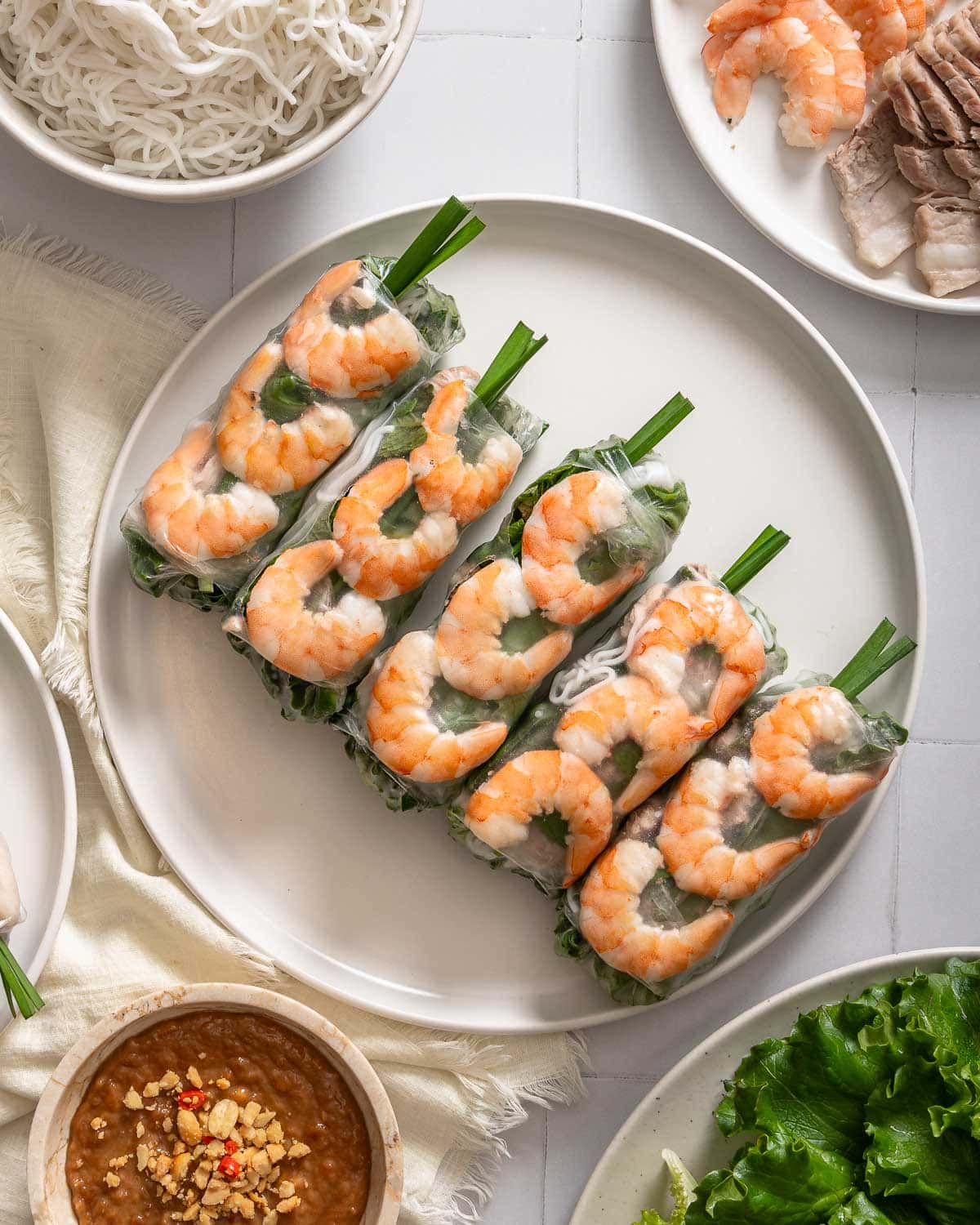
- Add Protein and Herbs: About one-third of the way up from the bottom, horizontally across the wrapper, arrange a few pieces of shrimp (cut side up, so they show through the finished roll), a slice or two of pork, and a sprig of fresh mint or basil. This placement ensures the attractive shrimp and herb colors are visible on top of the finished roll.
- Fold and Tuck: Fold the bottom edge of the rice paper up over the ingredients. Then, fold in both sides tightly to create a neat package.
- Roll Tightly: Continue to roll the wrapper upwards, away from you, keeping the roll as tight as possible without tearing the paper. A firm, even pressure is essential to prevent a loose, floppy roll.
Common Mistakes to Avoid: Overfilling is the number one culprit for torn wrappers and messy rolls. Start with less filling than you think you need. Also, make sure your ingredients are dry; excess moisture can make the wrapper slimy and difficult to handle. Practice makes perfect – don't be discouraged if your first few rolls aren't Instagram-ready!
Unlocking Flavor: Essential Ingredients and Their Roles
The magic of goi cuon vietnamese spring rolls - Article 1 lies in the harmonious blend of fresh, vibrant ingredients. Each component plays a crucial role in creating the signature flavor and texture profile.
The Core Proteins: Shrimp and Pork
- Shrimp: Typically boiled or steamed, shrimp are often butterflied to showcase their pink color through the translucent wrapper. Their sweet, succulent flavor is a classic pairing.
- Pork: Thinly sliced boiled pork is common, particularly pork belly for its rich fat, or lean pork shoulder for a lighter option. The pork adds a savory depth and textural contrast.
- Alternative Proteins: Don't limit yourself! Grilled chicken, thinly sliced beef, pan-fried tofu, or even shredded fish can make excellent additions, allowing you to personalize your goi cuon.
Fresh Herbs and Vegetables: The Heart of Goi Cuon
This is where goi cuon truly shines as a fresh and healthy dish. The array of herbs and crisp vegetables provides complexity, aroma, and a satisfying crunch.
- Herbs: Mint (bạc hà) for its refreshing coolness, Thai basil (húng quế) for its slightly peppery, anise-like notes, cilantro (ngò rí) for its bright, citrusy aroma, and sometimes perilla leaves (tía tô) for a unique, pungent flavor. A combination of these is ideal.
- Vegetables: Crisp lettuce (xà lách), often butter lettuce or green leaf, forms the base. Julienned cucumber (dưa chuột) adds a cool crunch, and sometimes thinly sliced carrots or blanched bean sprouts are included for extra texture and sweetness.
The freshness of these ingredients is non-negotiable. Source the best quality herbs and vegetables you can find for the most authentic and impactful flavor.
Vermicelli Noodles: The Binder and Filler
Rice vermicelli noodles (bún) are essential for adding substance and structure to your goi cuon. They provide a soft, chewy texture that complements the crisp vegetables and tender proteins.
- Preparation: Boil the vermicelli according to package instructions until al dente – not too soft, as they will continue to soften slightly after cooking. Drain well and rinse with cold water to prevent sticking and stop the cooking process.
- Role: They act as a neutral base that absorbs the flavors of the other ingredients and the dipping sauce, while also making the roll more filling.
Pairing Perfection: Dipping Sauces and Accompaniments
No plate of goi cuon vietnamese spring rolls - Article 1 is complete without its accompanying dipping sauce. These sauces elevate the experience, adding layers of flavor and moisture that tie everything together.
Hoisin Peanut Sauce: The Classic Choice
Often considered the quintessential dipping sauce for goi cuon, this rich, savory, and slightly sweet sauce is incredibly addictive.
- Key Ingredients: Hoisin sauce, creamy peanut butter, chili garlic sauce (like Sriracha or sambal oelek), a touch of lime juice, and water to thin it to the desired consistency. Some recipes also include a hint of sugar or chopped roasted peanuts for garnish.
- Tip for Balance: Start with equal parts hoisin and peanut butter, then adjust with water until it's spoonable but still coats the back of a spoon. Add chili garlic sauce to your preferred spice level and a squeeze of lime to brighten the flavors.
Nuoc Cham: The Zesty Alternative
While peanut sauce is popular, a lighter, tangier nuoc cham (Vietnamese dipping sauce) is also a fantastic option, especially for those who prefer a more savory and less rich accompaniment.
- Key Ingredients: Fish sauce (nước mắm), fresh lime juice, sugar, water, minced garlic, and thinly sliced bird's eye chilies.
- Tip for Flavor: The balance of salty, sweet, sour, and spicy is crucial here. Taste and adjust to your preference. A good nuoc cham should be vibrant and stimulating to the palate.
Some even prefer a simple chili-garlic sauce or a sweet chili sauce for a quick and easy dip. Whichever you choose, don't be afraid to experiment with your dipping sauces to find your personal favorite.
Variations and Innovations: Expanding Your Goi Cuon Repertoire
The beauty of goi cuon vietnamese spring rolls - Article 1 lies in their versatility. While the classic shrimp and pork combination is a timeless favorite, there's a world of creative possibilities to explore, allowing you to continuously refresh your goi cuon experience.
Regional Differences and Creative Fillings
Across Vietnam, you'll find subtle regional variations in goi cuon, from the choice of herbs to the specific cut of pork. Beyond these traditional takes, feel free to innovate:
- Grilled Pork Rolls (Nem Nuong Cuon): A popular variation featuring flavorful grilled pork sausages.
- Vegetarian Options: Tofu, tempeh, avocado, mushrooms, and a wider array of vegetables (bell peppers, sprouts) make for delicious meat-free rolls.
- Seafood Delights: Try grilled salmon, imitation crab, or even thinly sliced scallops for a gourmet twist.
- International Fusion: Experiment with fillings like smoked duck, shredded rotisserie chicken, or even a sprinkle of feta cheese and olives for a Mediterranean spin. The clear rice paper wrapper makes almost any fresh filling look appealing.
Encourage your guests to build their own rolls by providing a spread of various ingredients, making for a truly interactive and engaging dining experience.
Presentation Matters: Making Your Rolls Photo-Ready
While taste is paramount, the visual appeal of your goi cuon can elevate the dining experience. Their translucent wrappers naturally lend themselves to beautiful presentation:
- Slice for Show: If serving pre-rolled, cut each roll in half diagonally to expose the colorful layers of ingredients. Arrange them artfully on a platter.
- Garnish Generously: A sprinkle of chopped roasted peanuts, fresh chili slices, or a few sprigs of cilantro can add both visual appeal and extra flavor to your serving plate or dipping sauces.
- Serving with Sauces: Serve your dipping sauces in small, attractive bowls alongside the platter of rolls, perhaps with small spoons for serving.
For even more advanced techniques, creative ingredient pairings, and a deep dive into specific regional variations, keep an eye out for our upcoming goi cuon vietnamese spring rolls - Article 3.
Conclusion
Goi cuon Vietnamese spring rolls are much more than a simple appetizer; they are a culinary celebration of freshness, balance, and communal dining. By understanding the nuances of ingredient preparation, mastering the rolling technique, and exploring the diverse world of dipping sauces and fillings, you can transform a simple meal into an unforgettable culinary adventure. Whether you stick to the beloved classics or venture into creative new combinations, the process of making and sharing these delicate fresh rolls is incredibly rewarding. So gather your ingredients, roll up your sleeves, and prepare to delight your senses with the vibrant flavors of homemade goi cuon.
